
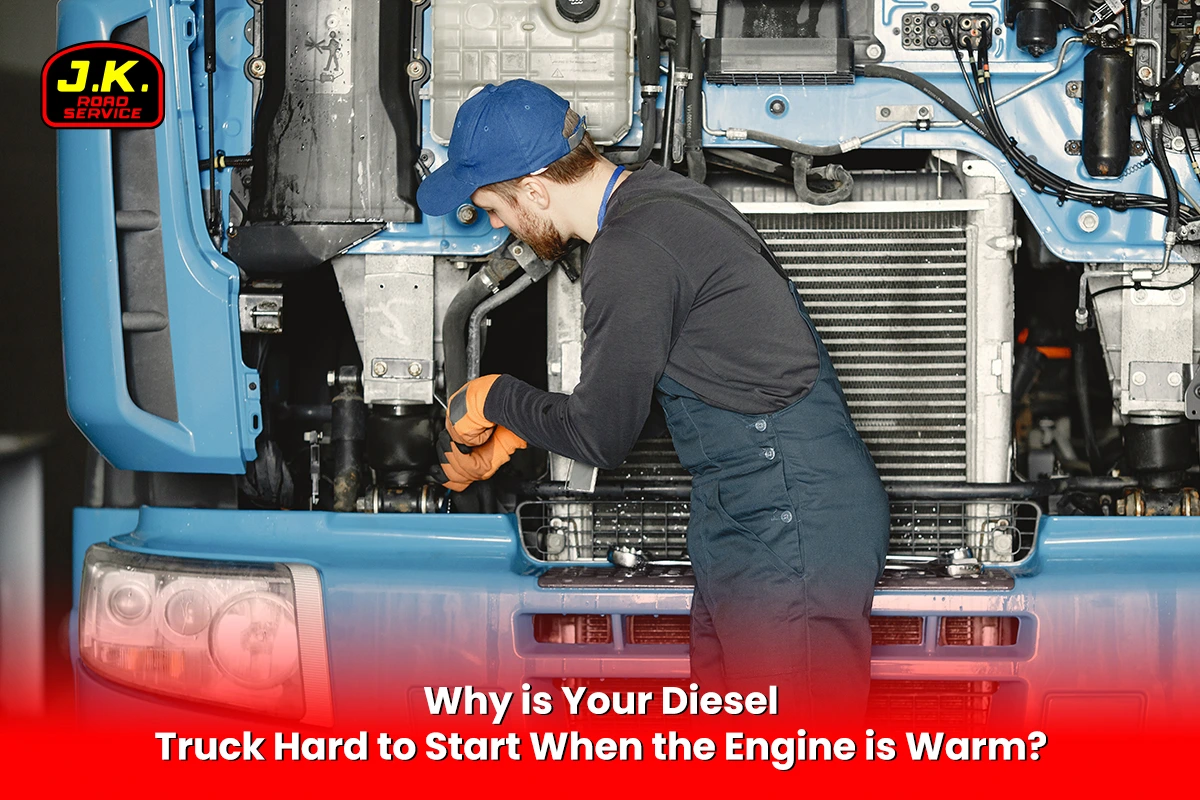
A diesel truck that cranks hard when warm usually has a fuel pressure or heat related problem. That is where trucks and trailers engine repair services in Allentown, PA come handy as they can trace this issue to worn fuel parts. The diesel fuel thins when it’s hot, revealing diesel leak problems and metal parts expand, revealing wear that would be hidden on a cold morning. This guide explains the usual causes as well as simple checks you can make and when to call a professional.
What Makes a Warm Diesel Engine Hard to Start?
A good compression plus high fuel pressure and uniform cranking rate are necessary for a diesel to start. Fuel flows less viscous when the engine is hot, thus easily passing between worn pump and injector components. This pressure decrease will cause the engine to crank for a longer period of time before adequate fuel is dispensed to the ignition point. Heat also raises electrical resistance in starter cables so your starter may turn the engine too slowly. On top of that, some engine sensors begin failing only after they reach full operating temperature. The problem usually comes from one of these four areas instead of one mystery part.
Worn Out Fuel Injection Pump
As rotary or inline injection pumps wear with age, and as hot thin fuel leaks into spaces between the pump parts, fuel quality degrades. On common rail engines, a weak high pressure pump might not be able to create rail pressure while cranking in hot conditions.
Leaking Injectors
Injectors leak after shut down, and they drain the pressure of the fuel system very rapidly. White or black smoke may be visible, the engine may rough idle or fuel odor may be noticeable immediately after engine start-up.
Heat-Soaked Starter and Cables
Starters mounted near the exhaust soak up heat and worn brushes or solenoids struggle once hot. Corroded or loose battery cables increase the resistance even more while reducing cranking speed to below the requirement for diesels.
Failing Sensors
Crankshaft or camshaft position sensors can fail because of hot conditions, leaving the ECM without any indication to signal the injectors. Faulty coolant or fuel temperature sensor can also provide incorrect information and cause fuel timing problems.
How Do Technicians Find the Real Cause?
Guessing gets expensive, which is why diesel engine diagnostics should come before you replace any parts. A trained technician plugs a scan tool into the vehicle to view fault codes, sensor data and rail pressure as it happens. They will usually test the truck both hot and cold as many faults only manifest when the truck is warm. Injector return flow testing, cranking voltage checks and compression tests aid in the determination of exactly what failed. Adopting good commercial truck engine diagnostics and repair practices involves following the data, rather than replacing parts until something works. If compression is low as a result of worn rings or valves, then heavy-duty engine repair may be required. On top of that, if an engine has a high mileage and is showing wear and tear, it might require semi truck engine overhaul and rebuilding services.
What Can You Check Before Calling for Help?
There are some things you can do before making a service call or a shop visit that rule out some causes. Start by checking battery voltage as a healthy 12-volt battery should read about 12.6 volts at rest. Next, inspect cable ends for corrosion as well as loose clamps or melted insulation near the exhaust manifold. Replace fuel filters regularly and check for fuel leaks as fuel lines will not start smoothly if there is air in them. If the truck starts well after an hour of cooling, wear due to heat is most likely to be the culprit. Record the time when the problem occurred, how long the engine will crank and if there are any smoke or warning lights. These notes aid in finding the fault quicker and reduce the downtime of any shop that deals with the repair of commercial truck engine repair.
Why Should You Check Brakes During the Same Visit?
If your truck is in the shop, it is worthwhile to perform a full brake check and save a trip. Allentown roads such as I-78, Route 22 and the hills of the Lehigh Valley were hard on brakes. That is where trucks and trailers brake repair service in Allentown, PA comes handy as they include brake pads, drums, rotors, chambers, slack adjusters, and more. Air brake system repair is also considered a heavy-duty brake repair, which involves the repair of leaking lines or weak compressors.
Out-of-adjustment brakes are a common out of service violation during CVSA roadside inspections in Pennsylvania and nationwide. Some shops provide on-site brake adjustment for semi trucks that you do not have to take your truck to. Help avoid costly roadside breakdowns by getting regular commercial truck brake service and timely semi truck brake repair. When pads or shoes wear thin, affordable semi truck brake replacement costs less than replacing scored drums.
Final Thoughts on Warm Diesel Hard Starts
If a diesel has a warm crank, it is a sign that a fuel or electrical component is failing. The most likely problems you will encounter are worn pumps, leaking injectors, hot starters, and bad sensors. If you neglect to deal with the problem, you’ll likely see longer cranking times, a drained battery and the truck backed up at the dock. Correct testing will identify the actual problem and only the necessary repair will be made, resulting in reduced costs. Doing this helps to keep your rig safe plus legal and ready for the road.
FAQs
When should you replace fuel filters to prevent hot start problems?
Many commercial vehicles require a change in their fuel filter every 15,000 to 25,000 miles however your engine manual indicates the exact interval.
How much does it cost to fix a diesel that won’t restart hot?
The costs are based on the failed part. Change over the sensor or cable is cheaper than replacing the high pressure pump or the injector.
Can you keep driving a truck that struggles to start when hot?
Yes, but long cranking is damaging batteries and the starter. Little fuel leaks or sensor issues tend to escalate and result in getting stuck.
Is it safe to replace diesel injectors yourself?
It is risky. A higher pressure fuel can cause serious injury and it is common for fuel injectors to need coding with a scan tool after installation.
Where can you find mobile diesel repair near Allentown?
Find mobile service companies in Allentown that specialize in diesel engines so that they can be diagnosed at your yard.
Get Expert Help for Your Truck in Allentown
If your diesel still fights you on hot restarts, get it inspected before a small fault grows. JK Road Service handles engine and brake work for trucks and trailers throughout the Allentown area. Call today to schedule diagnostics as well as describe your symptoms and get your truck back on the road sooner.